

OCTOBER 18, 2026 MSGR. DAVID REILANDER
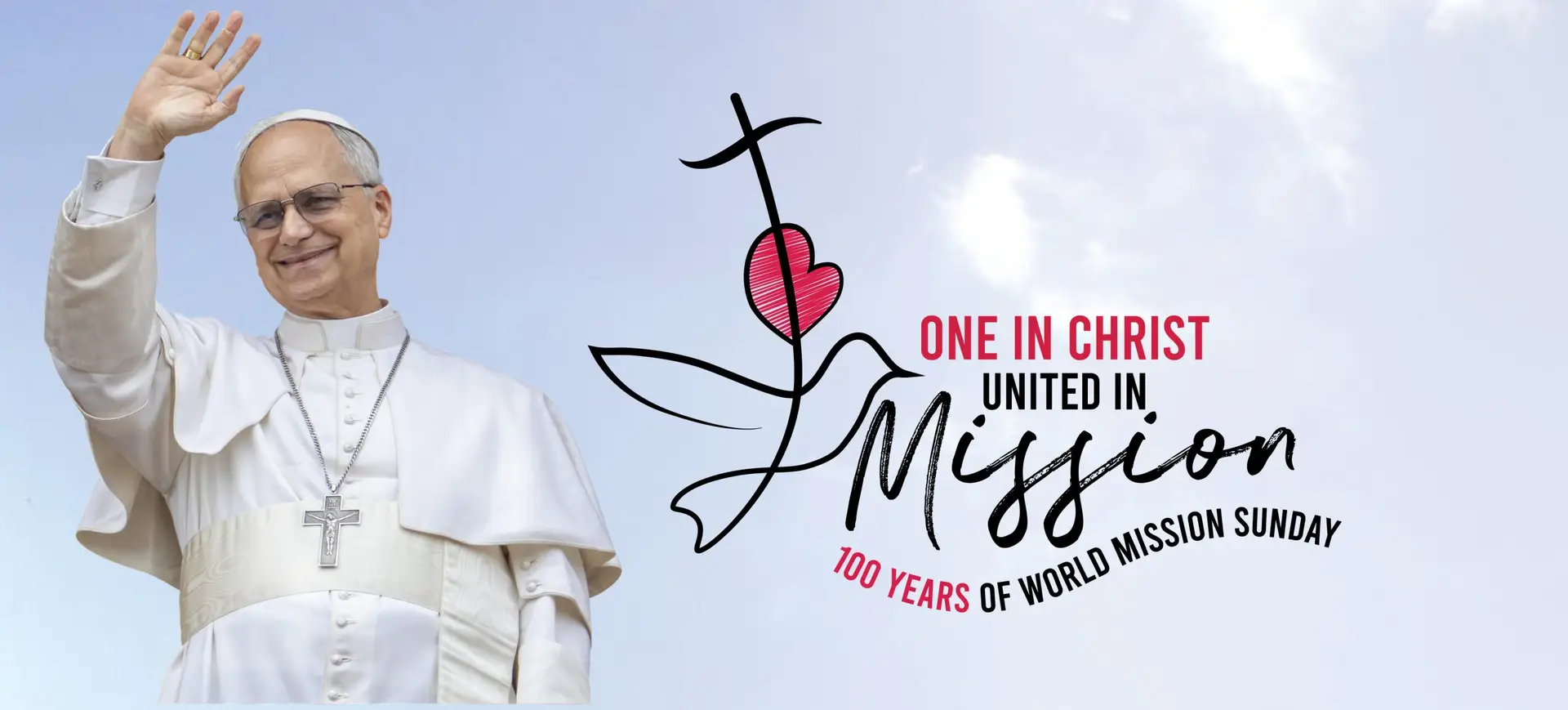
Today is Mission Sunday around the world.
Now, when we talk about missions, we need to distinguish what we’re talking about. The missions we’re talking about today are called ad gentes. They’re foreign missions. Well, what other kind of missions are there?
Well, there are the missions that I look after as part of Catholic Missions in Canada, and I look after home missions. Now, the collection today is not about home missions. It’s about foreign missions. And in the United States is our sister organization, the Catholic Extension Church of America.
To be in mission is to be sent, as Jesus sent the apostles to be his ambassadors, emissaries, apostles, and to bring the Gospel to them.
Now, if we pause for a moment and think about what is the cost of that, well, the direct cost is that the apostles put their lives on the line. Many of them were martyred, as we know. St. Paul, for “existence,” who we heard in the second reading, and perhaps some of those who were with him. We don’t know. The record doesn’t show. Silvanus and Timothy, Apollo and others.
But there is also a financial cost. Let me give you an example. If we take the example of St. Paul, he went around the Mediterranean. That was a costly voyage. Who paid for transportation over the water and in other areas? He just didn’t get on a boat and go. Someone had to pay for that.
So there are two things that are operative that really cannot be separated from each other. There is the mission itself, the proclamation of the gospel, the care and setting up of a community. There is also getting to the mission, and that’s a financial cost. St. Paul wrote letters. That is another cost. You just simply can’t get away from that.
What do we find in the Gospel today? Well, it’s a question about finances. The Pharisees are trying to trap Jesus. “Okay, Jesus. What do you think about taxes?”
But Jesus knows what they’re trying to do. “Well, show me a coin. Whose head is on the coin?” “Caesar’s.”
So, if he says, “Support Caesar,” there’s going to be a problem. “Well, if the head on the coin is Caesar, give to Caesar what is Caesar’s, and give to God what is God’s.”
Well, and in the first reading, we hear there is one God and none other. Therefore, what is God’s? What belongs to God? We do. Our soul does. Mind, body and soul, we belong to the Lord. He created us in his image and likeness. Give to the Lord what is the Lord’s. And that’s us.