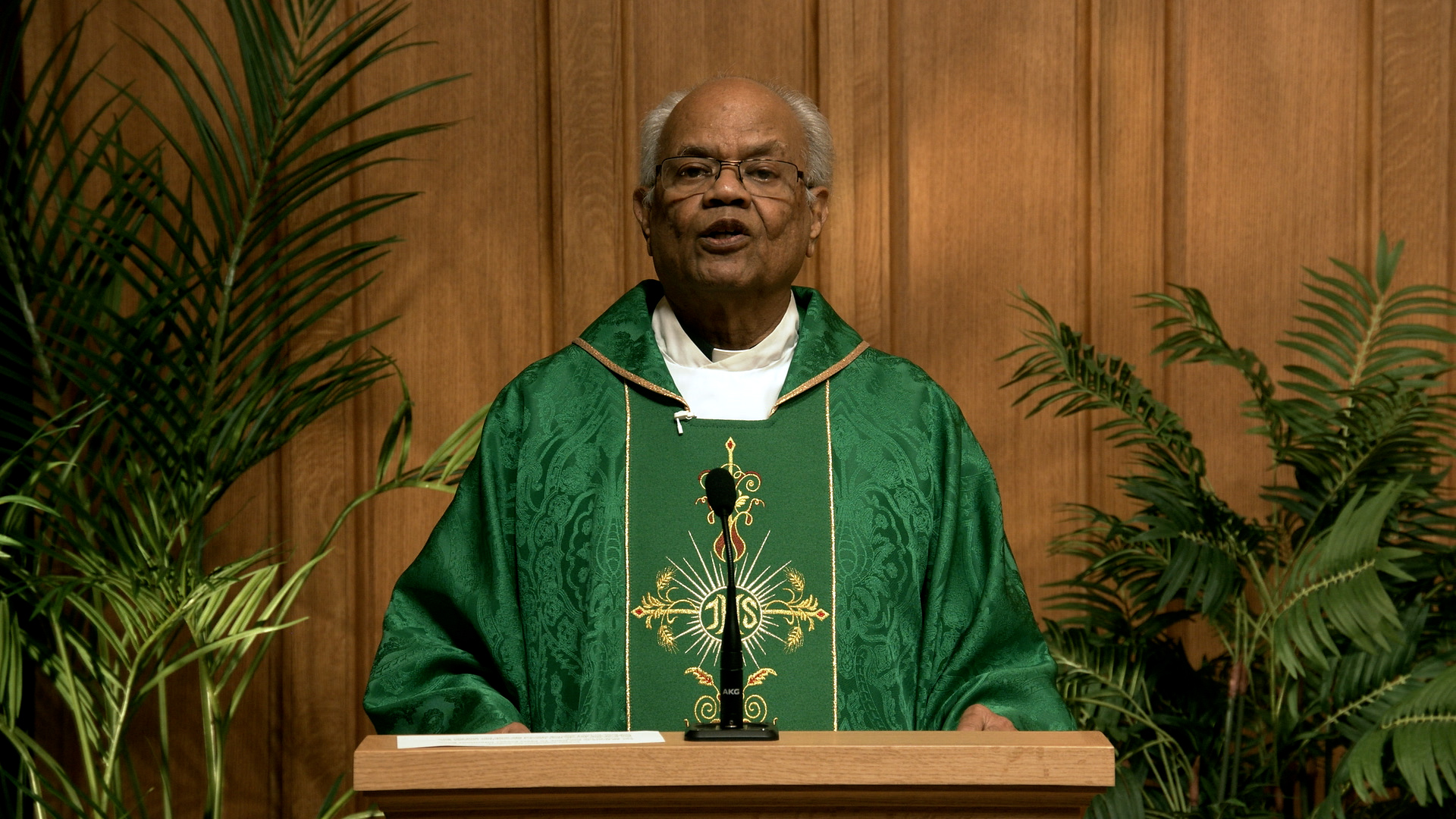


SEPTEMBER 4, 2026 FATHER MICHAEL COUTTS
New wine in new wineskins.
Our Gospel today has a contrast between the ministry of the disciples of John and the ministry of Jesus’ own disciples. The ministry of John’s disciples was tinged with actions like fasting, repentance, and self-denial, and in 2026, we seem to have the same type of actions. We fast, we deny ourselves, we repent of our sins, especially during the seasons of Lent and even during the joyful season of Advent in anticipation for Christmas.
This is something that the Pharisees and scribes did, and they felt that this was the tradition. Then, we come to Jesus. And his disciples are celebrating, they’re drinking wine, they’re having a good time. And they seem to say to Jesus, “We are expecting the Messiah, and the picture of the Messiah does not fit this action that you are doing. So, Rabbi, explain yourself.”
And Jesus is quick enough to take the challenge, and he gives them a metaphor. In fact, he gives them two metaphors. The first is the metaphor of the wedding feast. Now, you and I know our weddings today. When the wedding is planned between a bride and bridegroom, there are a whole lot of things to be done.
First, they find out whether a hotel or a place is available for the reception. That comes first. Then, they find out whether the church is free at that time. Then we make a list of those of the guests we want to invite and those that we don’t want to invite, and how they would sit at different tables. Then, they contact a DJ, photography, a photo booth, and then they have envelopes for the bills to be paid to all these people.
Then, the wedding day comes, and it’s all over in one day. They have the celebration, and after the celebration, they leave everything in a mess. The bride and bridegroom take off for a honeymoon, and the relatives and friends pick up and clear up the stuff.
So different from the time of the wedding in the time of Jesus. At that time, a wedding was a community event; everybody was invited: the old, the poor, the orphan, everybody in the village. All you had to make sure was to have plenty of wine to drink. And we know the story of the wedding feast of Canada, when the bride and bridegroom would be embarrassed.
So, what was Jesus doing at all these celebrations? Jesus said, “A wedding feast is a metaphor of salvation for all peoples.” Not those that we invite and those that we don’t invite, and what tables we are going to put them at. It’s open to everybody: to tax collectors, to sinners, to the outcasts in society, like the lepers, who were supposed to ring a bell and stay outside the village. Jesus invited all of them to come to the table.
And that is what Jesus actually said, “I have come here for the salvation of all, and as long as I am here and the salvation comes through me, I am the way and the life, then everybody can follow this way, all those who want life.” Because it is through this bridegroom who is at the wedding feast that salvation would come.
And in this, we see an insight into the very character of Jesus himself. And what was that characteristic? The scribes and the Pharisees wanted and insisted on law and tradition. And that was important. Jesus himself said in Matthew chapter 5 verse 13, “I’ve not come to abrogate the law. In fact, I’m going to keep it in its slightest details. But the law is not an end in itself.”
Jesus always said that the persons who wanted to walk the way and to have life came more important. And there were times when he would say, “I am the Lord of the Sabbath. I will break the rules and traditions that you have made in order that people may come to God.”
And then, he gives the example of the wineskins, new wine in new wineskins. Now, and the old wine would be in the old wineskins. The old wine was precisely what I said at the beginning: fasting, repentance, self-denial. These were important. But then, you see there seems to be a contradiction here. Probably Jesus told this at two different times: new wine and new wineskins, but after you have drunk the old, you prefer the old to the new.
So Jesus, what are you insisting on? The old, the tradition, the fasting, the denial? I’m not a sommelier. I can’t tell the difference between a Chardonnay, a Pinot Noir, a Chateauneuf du Pape, or an Austrian Riesling. So I’m not going to comment on new wine and old wine and which tastes better.
But what Jesus was trying to tell us is the old wine was important: fasting, self-denial, and repentance for your sin. These were important, but they were only the foundation. The new wine is, “I fed those who were hungry. I gave drink to those who are thirsty. I went and visited those who are in prison and who are sick.” This is the new wine.
It gives a new bouquet to the wine that Jesus is speaking about, and the bouquet is love, joy, happiness, consideration of others, and care of others. Don’t you think that this bouquet is the bouquet of the new wine that you and I want to drink?
Monsignor Nusca spoke about the revelation, and at the book of Revelation, the very last chapter is a wedding feast of the Lamb to whom all are invited. And it is precisely to this wedding feast that Jesus Christ is inviting everybody: the tax collectors, the sinners, and those that people exclude and say, “Where on earth are they coming from?”
God bless you all.